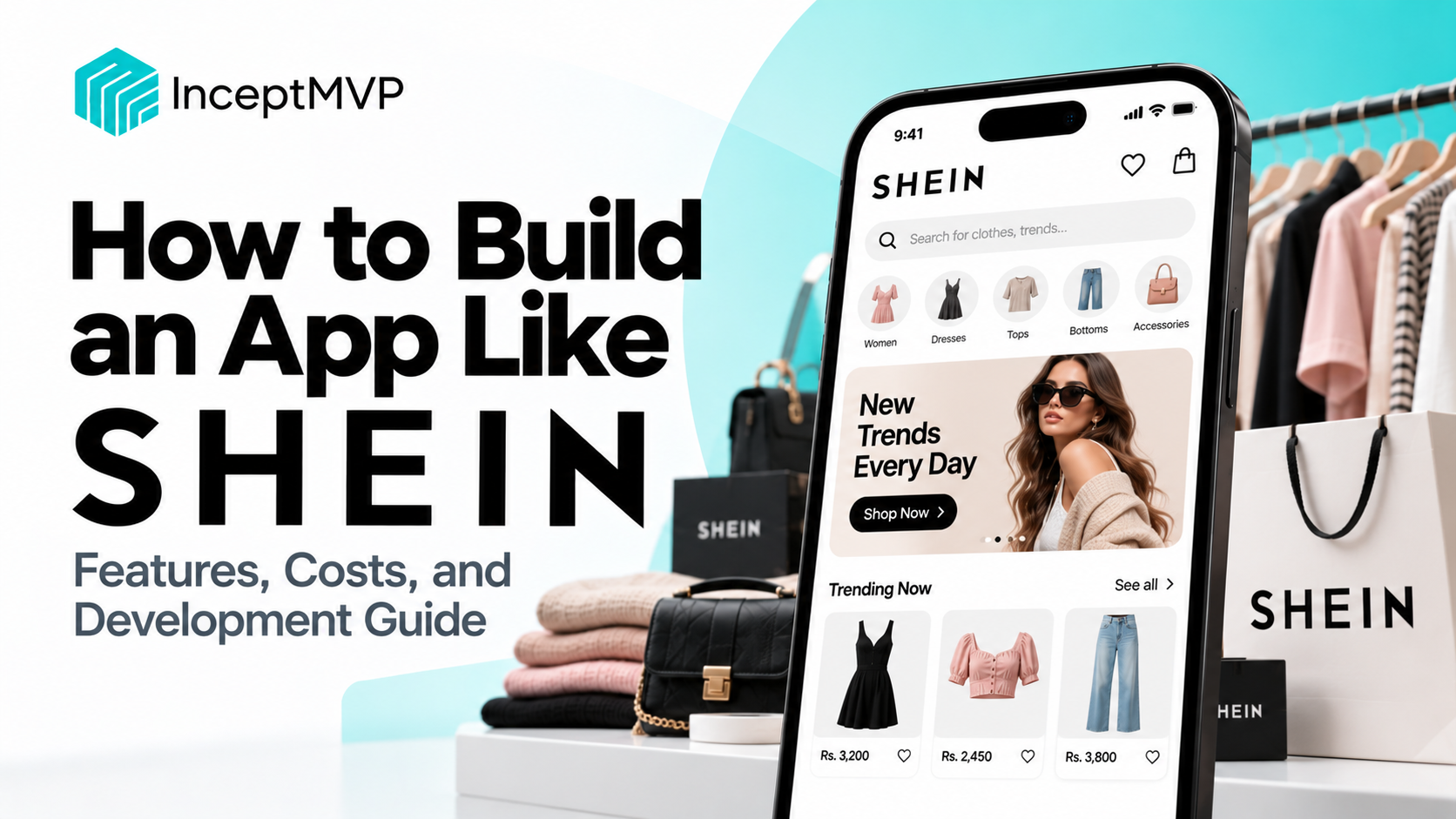
Fashion shopping apps have changed how people discover trends, compare styles, and buy clothing. Customers now expect more than a digital store. They want fresh collections, personalized product suggestions, easy returns, and a smooth shopping experience.
SHEIN is a familiar example of a fashion eCommerce platform built around product discovery, frequent new styles, promotions, and mobile shopping.
If you want to build an app like SHEIN, the goal is not simply to copy its interface. You need to create a fashion shopping platform that helps customers discover products, make confident purchases, and return for future orders.
This guide explains the key features, development process, technology options, costs, and business models involved in building a fashion eCommerce app.
An app like SHEIN is a fashion-focused eCommerce platform where customers can browse clothing, accessories, and other products, view detailed product information, and place orders through a mobile app or website.
Depending on your business model, the platform may operate as:
Your business model affects the features, admin tools, inventory system, and payment flows you need.
A fashion shopping app connects customers, products, orders, payments, and inventory through one platform.
Behind the scenes, the admin team manages product listings, stock, pricing, promotions, orders, customer support, and performance data.
A successful fashion shopping experience depends on more than a large catalog. Customers need clear product information, simple navigation, reliable checkout, and reasons to return.
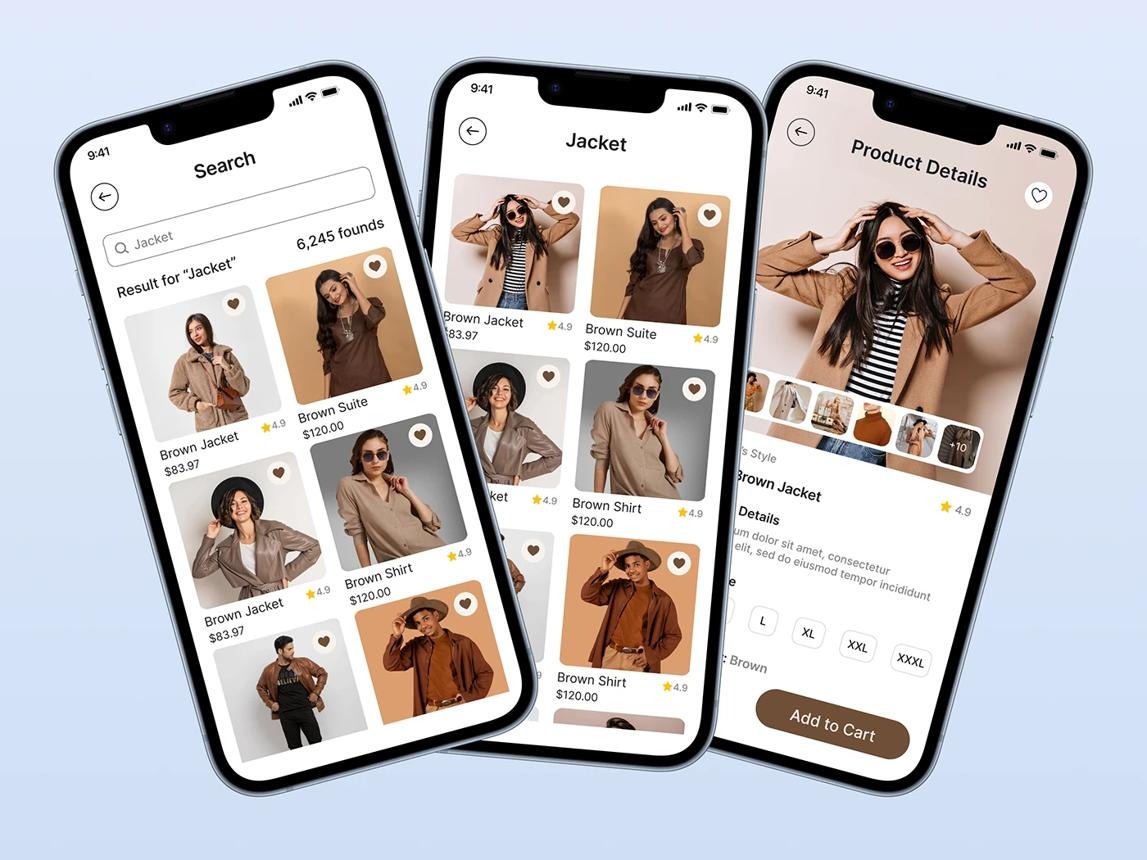
Your product catalog is the foundation of the app. It should make it easy for customers to find relevant products without scrolling through endless listings.
Include:
Development tip: Use structured product data instead of storing every variation as a separate, disconnected product. This makes filtering, inventory updates, and product management easier.
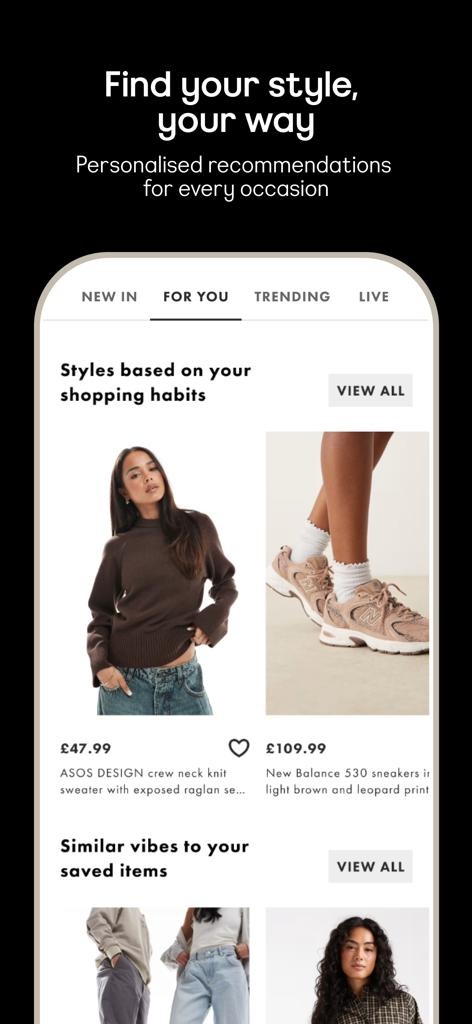
Personalization helps customers discover products that match their interests.
A recommendation system can use signals such as:
For an MVP, start with simple rules. For example, show more products from categories a customer frequently visits.
As the app collects enough reliable data, you can explore machine-learning recommendations that consider product similarity, customer behavior, and purchase patterns.
Important: Personalization should improve product discovery, not make the shopping experience feel confusing or overly intrusive. Give customers useful controls over preferences and data where appropriate.
Fashion shoppers often search by more than product name. They may look for a specific color, occasion, fit, material, or price range.
Useful search and filtering features include:
For a later version, consider visual search, where customers can use an image to find visually similar products.
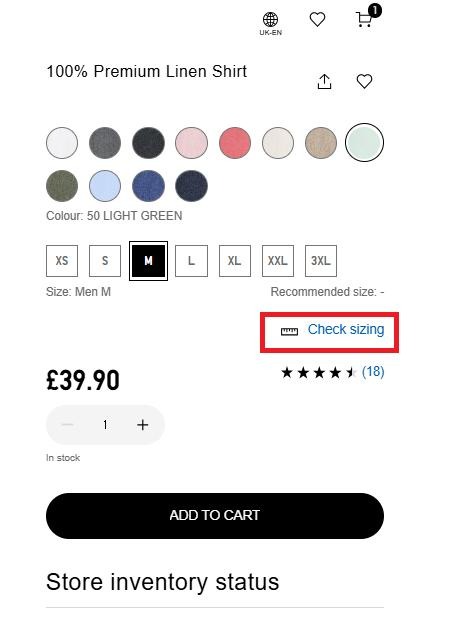
Online fashion shoppers cannot physically try on products before buying. Product pages should help them understand what they are ordering.
Include:
A size guide should be easy to find before checkout. Clear product details can help reduce uncertainty and avoid preventable returns.
The checkout process should be quick, clear, and easy to use on mobile devices.
Key features include:
Avoid surprising customers with unexpected charges at the final step. Show the total cost, including shipping and applicable taxes, before they place the order.
A wishlist lets customers save products they may want to buy later.
Useful functions include:
Wishlists can also provide useful signals for improving product recommendations.
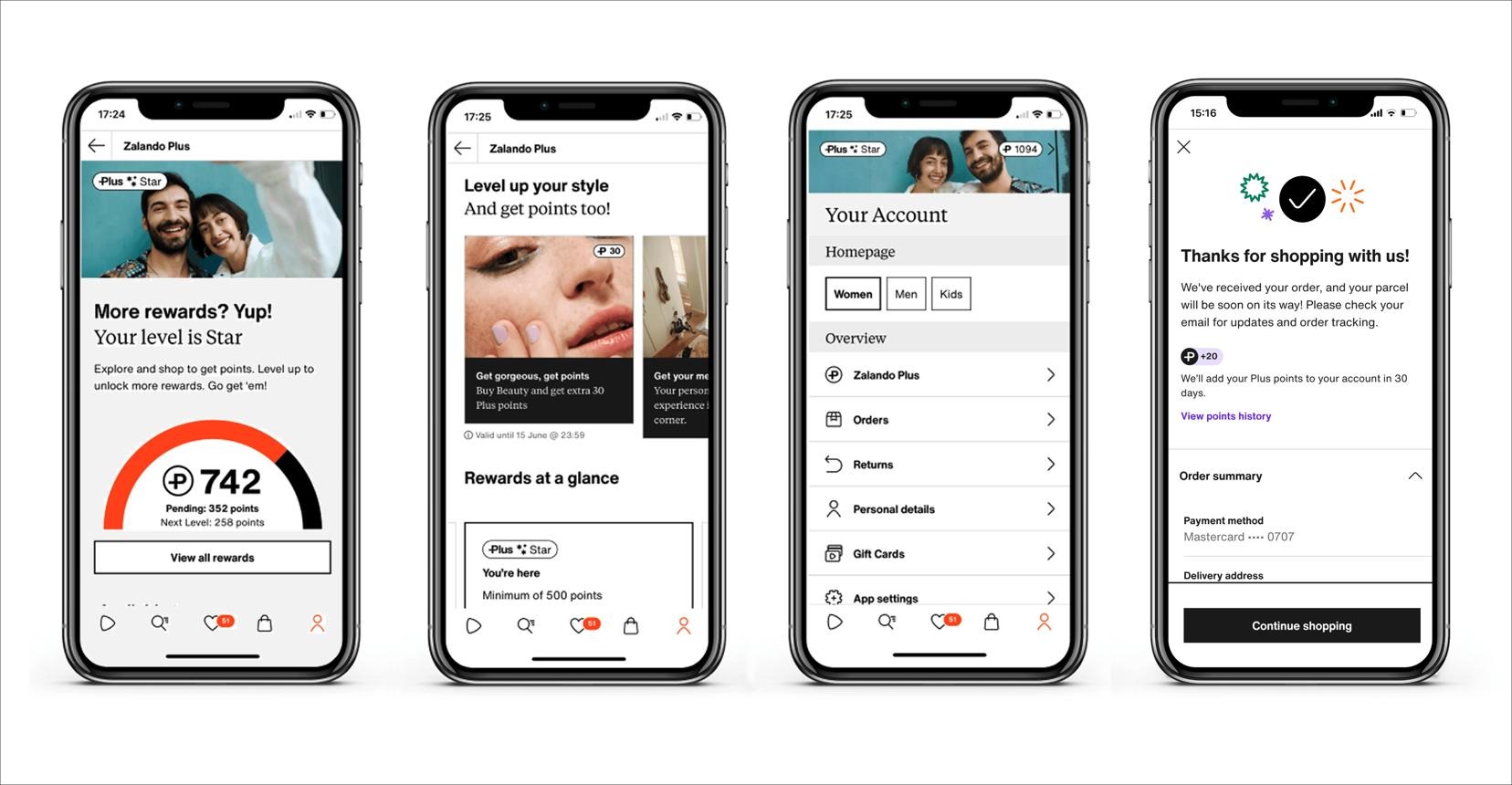
A loyalty program gives customers a reason to keep shopping with your brand.
Possible features include:
For the first version, keep the rules simple. Customers should understand how points are earned, when they expire, and how they can redeem them.
Avoid offering rewards that your business cannot afford to fulfill.
Fashion eCommerce businesses often use campaigns to introduce collections, promote seasonal products, and encourage purchases.
Your platform can support:
The admin panel should define which products qualify, how discounts combine, when campaigns begin and end, and how redemptions are tracked.
Customers need clear updates after placing an order.
Include:
Your app should display realistic order statuses based on actual fulfillment data, rather than showing a package as shipped before it has been handed to the carrier.
The admin dashboard is where your team manages the business.
|
Admin feature
|
What it helps manage
|
| --- | --- |
|
Product management
|
Listings, images, descriptions, sizes, and colors
|
|
Inventory
|
Stock by product variation and warehouse
|
|
Orders
|
Payments, fulfillment, cancellations, and returns
|
|
Promotions
|
Coupons, campaigns, and reward rules
|
|
Customer management
|
Accounts, support requests, and order history
|
|
Analytics
|
Sales, conversion, popular products, and stock performance
|
|
Content management
|
Banners, collections, and homepage sections
|
For a multi-vendor marketplace, you will also need seller accounts, listing approval, commission rules, seller payouts, and dispute handling.
Building a fashion eCommerce app requires product planning, interface design, development, testing, and ongoing improvements.
You do not need every advanced feature on day one. Your MVP should prove that customers can find products, buy them, and receive their orders.
0 of 10 selected
Select all
Customer registration and login
Product catalog and categories
Search and basic filters
Product detail pages and size selection
Wishlist and shopping cart
Checkout and payment integration
Order confirmation and tracking
Basic returns and customer support
Admin dashboard and inventory management
Basic sales and customer analytics
Consider adding advanced personalization, visual search, AI styling assistants, and complex loyalty tiers after the core shopping and fulfillment process works reliably.
The cost depends on the number of features, design complexity, integrations, platforms, and development team.
The following are illustrative planning ranges, not verified industry averages or a development quote.
|
Development scope
|
Illustrative budget
|
| --- | --- |
|
Basic fashion eCommerce MVP
|
$10,000–$30,000
|
|
Mid-level app with personalization and loyalty
|
$30,000–$80,000
|
|
Advanced multi-vendor or highly customized platform
|
$80,000–$200,000+
|
These ranges are broad estimates for planning. Your actual cost may be lower or higher depending on the project.
A practical approach: Launch with a focused catalog, reliable checkout, basic inventory tools, and clear order tracking. Add more advanced features when you have customer and sales data to guide the investment.
The timeline depends on project scope, integrations, and how much custom development is required.
|
Project stage
|
Example planning range
|
| --- | --- |
|
Discovery and requirements
|
1–3 weeks
|
|
UI/UX design
|
2–4 weeks
|
|
MVP development
|
6–14 weeks
|
|
Testing and launch preparation
|
2–4 weeks
|
Some stages can overlap. These are planning estimates, not guaranteed delivery times. A more complex marketplace, custom recommendation engine, or multi-warehouse system may take longer.
Your technology approach should match your business goals, budget, and expected complexity.
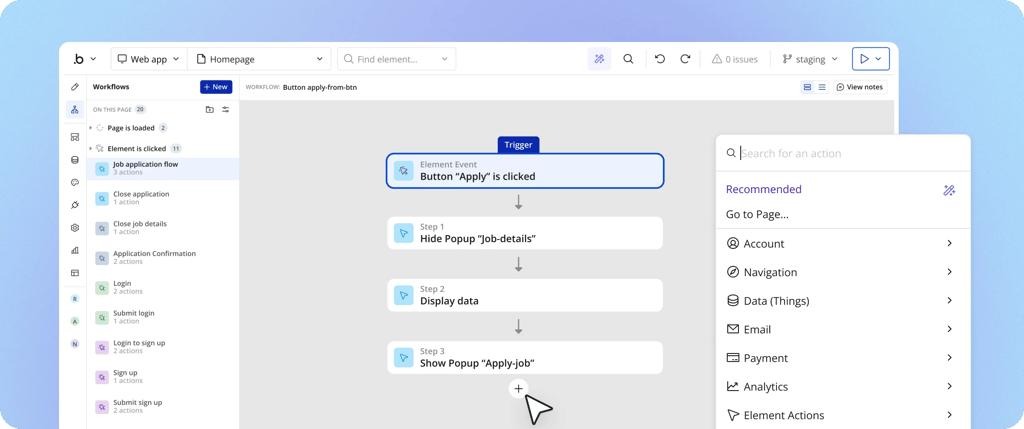
No-code development
Useful for validating a concept with standard shopping flows and a manageable catalog. It can reduce the need to write code for every feature, though platform limits and integrations still matter.
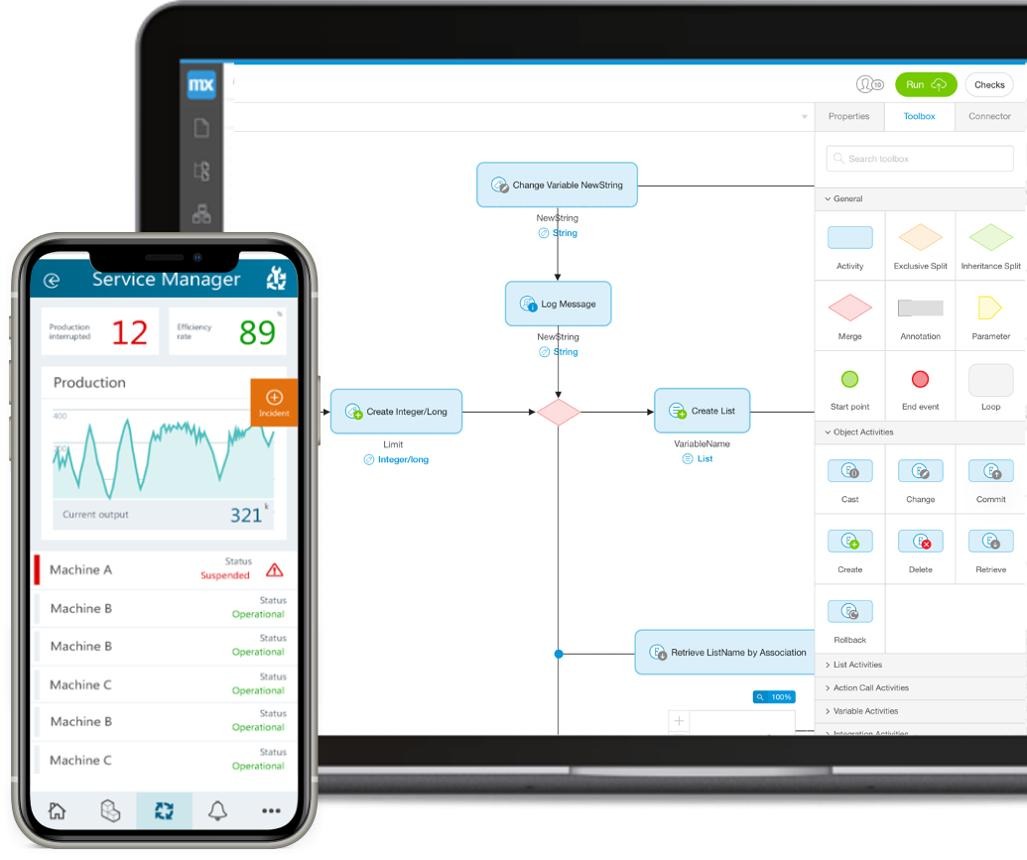
Low-code development
Combines visual development with custom code where needed. It can be suitable when you want to launch quickly while retaining room for tailored workflows and integrations.
Custom development
Gives you more control over architecture, performance, complex inventory rules, and specialized recommendation systems. It may require more time, technical expertise, and ongoing maintenance.
There is no single approach that fits every fashion business. The right choice depends on your required features, team, and growth plans.
A SHEIN-like app can use different revenue models depending on whether it sells its own products or supports other sellers.
|
Revenue model
|
How it works
|
| --- | --- |
|
Product sales
|
Earn revenue by selling clothing and accessories
|
|
Marketplace commission
|
Charge sellers a fee or percentage on eligible transactions
|
|
Seller subscription
|
Offer paid plans for seller tools or enhanced services
|
|
Sponsored placements
|
Allow eligible brands to pay for clearly labeled promotional visibility
|
|
Loyalty membership
|
Offer an optional paid membership with defined benefits
|
|
Delivery fees
|
Charge for shipping where appropriate and clearly disclosed
|
For a single-brand store, product sales are usually the core business model. Marketplace commissions and seller subscriptions apply when your platform supports third-party sellers.
Personalization can help customers find relevant products without requiring them to browse the entire catalog.
Start with simple features:
Later, you can test more advanced recommendation methods using product attributes, customer interactions, and purchase patterns.
Track whether recommendations improve meaningful outcomes, such as product clicks, completed purchases, and customer satisfaction. More recommendations do not automatically mean a better experience.
Starting with complex AI, loyalty tiers, and advanced visual search can delay the core shopping experience.
What to do instead: Build and test the essential customer journey first.
Incorrect sizes, missing images, and inconsistent color options make products harder to understand.
What to do instead: Use a consistent catalog structure and review product data before publishing listings.
Long forms, unclear fees, and limited payment options can create friction.
What to do instead: Keep checkout simple and show the full order total before confirmation.
Fashion customers may need to exchange or return items because of size, fit, or product expectations.
What to do instead: Define return rules and build a clear process for requests, approvals, shipping, and refunds.
Irrelevant recommendations can make browsing less useful.
What to do instead: Start with transparent, useful recommendations and measure how customers respond.
A customer may place an order for a size or color that is no longer available if inventory is not updated correctly.
What to do instead: Track stock at the product-variation level and keep order and inventory updates connected.
Creating a fashion shopping app involves more than designing attractive product pages. You need a connected system for product discovery, inventory, payments, order management, customer experience, and growth.
InceptMVP helps businesses plan and develop digital products, including eCommerce and marketplace platforms. The development approach should be based on your business model, launch requirements, and future product roadmap.
Whether you are launching a fashion brand or planning a multi-vendor shopping platform, start by defining the customer journey and the features your first version truly needs.
Build a clear MVP roadmap for your catalog, shopping experience, admin tools, and future features.
Explore InceptMVP marketplace development
A basic fashion eCommerce MVP may require an illustrative budget of $10,000–$30,000. A more customized app with advanced personalization or marketplace features can cost significantly more. The actual price depends on scope, integrations, design, and the development team.
A focused MVP may take a few months to design, develop, test, and prepare for launch. Complex inventory, marketplace, or recommendation features can extend the timeline.
Core features include a product catalog, categories, search, filters, product details, size selection, cart, checkout, payments, order tracking, returns, and an admin dashboard.
Yes. No-code and low-code tools can support many standard eCommerce workflows. More complex requirements, integrations, or custom functionality may still require developers.
It can use browsing behavior, saved products, purchase history, stated preferences, and product similarities to suggest relevant items. Start with simple rules and improve them as you collect useful data.
Not necessarily. You can launch with a reliable shopping experience and add points, referrals, or membership benefits after you understand customer behavior and your margins.
You can build a fashion marketplace that supports multiple sellers, but it requires additional features such as seller onboarding, listing management, commissions, payouts, and dispute handling.
The choice depends on your budget, timeline, and complexity. No-code, low-code, and custom development can all be appropriate in different situations.
Provide accurate product descriptions, clear size charts, fit information, multiple product images, and transparent return policies. Monitor return reasons to identify recurring product or sizing issues.
Define your target customer, business model, product range, and launch market. Then map the essential shopping journey and select the features required for your MVP.