People shop online for more than everyday products. They also look for handmade gifts, personalized accessories, artwork, vintage finds, and items that feel different from mass-produced products.
That creates an opportunity for niche marketplaces that connect independent sellers with customers who value unique products.
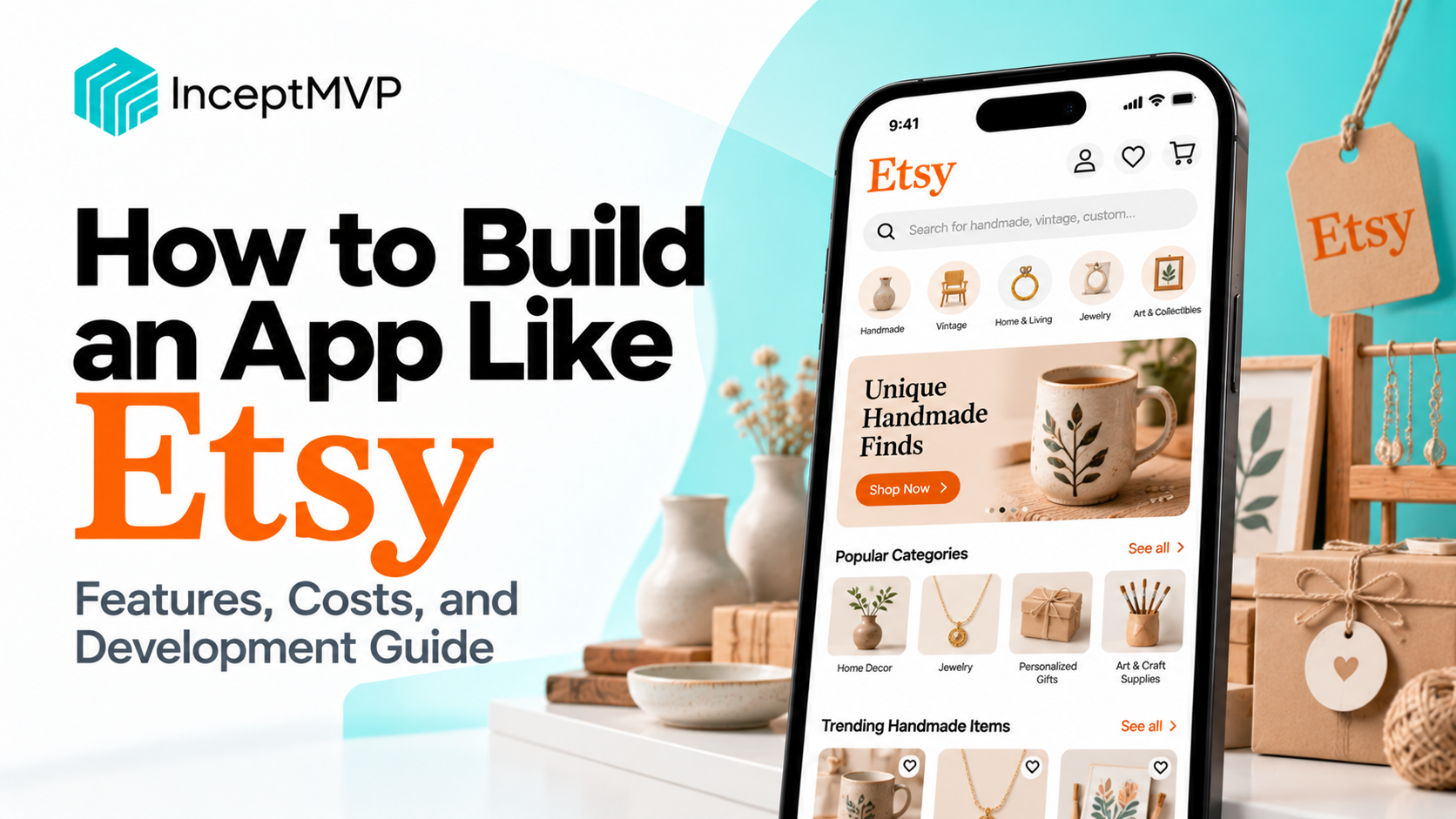
Etsy is a well-known example of a marketplace built around creative goods and independent sellers. If you want to build an app like Etsy, you need more than a product catalog. You need a platform where creators can open shops, manage listings, receive orders, and build relationships with customers.
This guide explains how to plan and build a handmade marketplace, which features belong in your MVP, how to manage sellers and orders, and what affects development cost and timeline.
An app like Etsy is an online marketplace where independent sellers offer products to customers. Depending on your niche, products may include:
Unlike a traditional single-brand store, a marketplace supports multiple sellers. Each seller can manage their own shop and product listings, while the platform provides the shared shopping experience, payment workflows, and marketplace rules.
Before development, decide what kind of marketplace you want to build.
|
Marketplace model
|
How it works
|
| --- | --- |
|
Handmade marketplace
|
Creators sell handmade products through individual shops
|
|
Personalized gift marketplace
|
Sellers offer customizable products for occasions and gifting
|
|
Art and creator marketplace
|
Artists sell artwork, prints, and creative products
|
|
Vintage marketplace
|
Sellers list eligible vintage products
|
|
Digital goods marketplace
|
Creators sell downloadable products such as templates or artwork
|
Your niche matters. A marketplace for handmade ceramics may need product dimensions, materials, and shipping protection. A digital marketplace needs file delivery, download permissions, and licensing terms. Plan your features around what sellers actually sell.
A typical marketplace connects buyers, independent sellers, and the platform administrator.
The platform needs to keep product availability, order status, payment status, and seller information consistent throughout the process.
A handmade marketplace needs separate tools for buyers, sellers, and administrators. Each group has different needs.
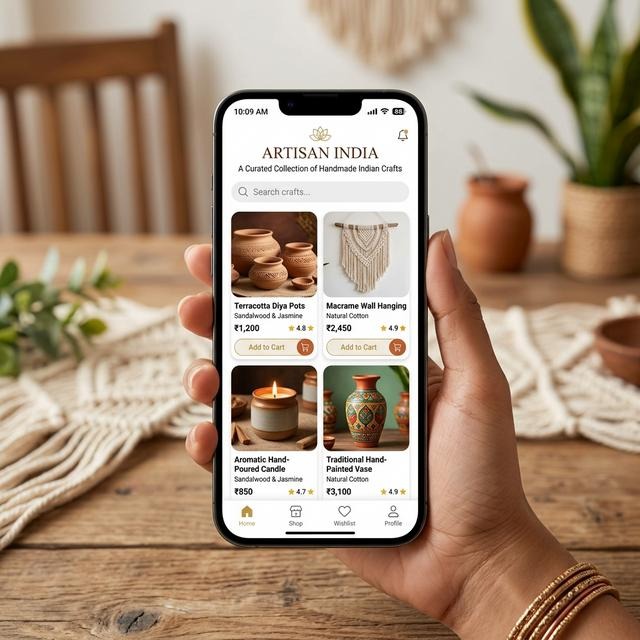
The buyer experience should make it easy to discover unique products and understand what makes each item special.
Include:
For a niche marketplace, filters should reflect the products being sold. A jewelry marketplace may need material and style filters, while a handmade furniture marketplace may need dimensions and wood type.
A product page should answer the questions a buyer needs to make a purchase.
Include:
Clearly distinguish handmade, personalized, vintage, and other product types according to your marketplace's listing rules.
Customers may want to save products or shops before buying.
Useful features include:
Support:
Because customers may buy from several sellers in one order, decide how the cart handles separate shipments, seller-specific processing times, and shipping charges.
Customers should be able to:
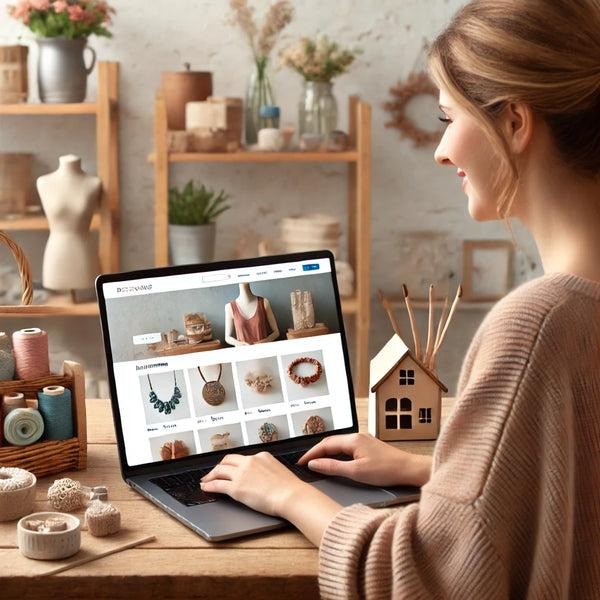
Independent sellers need a simple way to start selling without getting lost in complicated tools.
Your onboarding process may collect:
Verification and business requirements vary by country, seller type, and payment provider.
A seller dashboard should allow creators to:
Give each seller a dedicated storefront with:
A shop profile can help customers understand who made a product and what the seller specializes in.
Useful reports may include:
Use analytics to help sellers improve their shops. Make sure the metrics are clearly defined and based on reliable data.

Product listings are especially important in a creator marketplace because products may be made in small batches or customized for each buyer.
Support relevant options such as:
For personalized products, the seller may need to define character limits, accepted formats, or instructions for submitting customization details.
Not every handmade product is ready to ship immediately. Your marketplace should distinguish between:
The seller should be able to update availability without accidentally accepting orders they cannot fulfill.
Consider basic checks for:
Marketplace rules should be visible to sellers before they publish products.
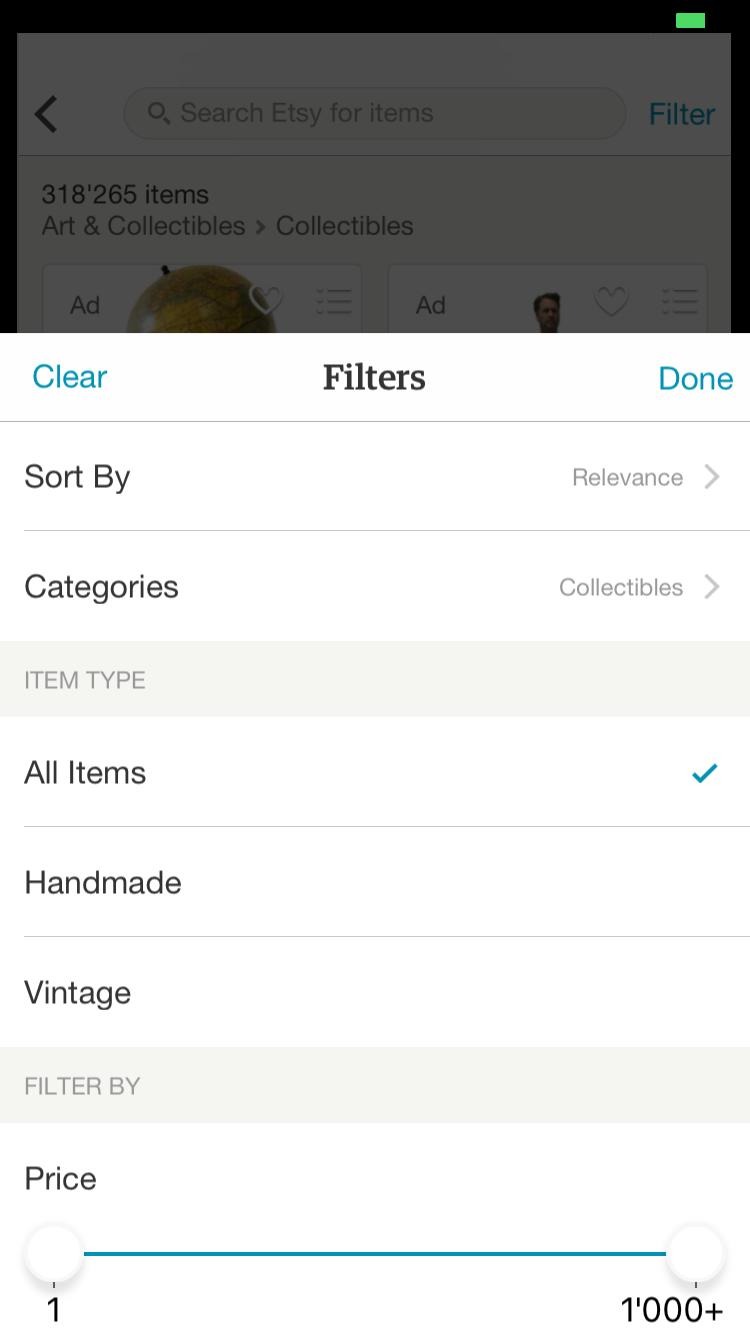
A niche marketplace needs to help customers find products that match their interests, even when the catalog contains many different creators and styles.
Start with search by product name, category, shop, and relevant product attributes.
Useful filters may include:
For an MVP, use straightforward recommendations such as:
Later, you can test recommendation systems that use product attributes and customer interactions. Keep recommendations relevant and give customers control over optional personalization features.
A marketplace for custom and handmade products often benefits from direct communication between buyers and creators.
Messaging can help customers ask about product details, customization, sizing, or processing time.
Useful features include:
For safety and accountability, define rules for prohibited content, spam, harassment, and attempts to bypass marketplace policies.
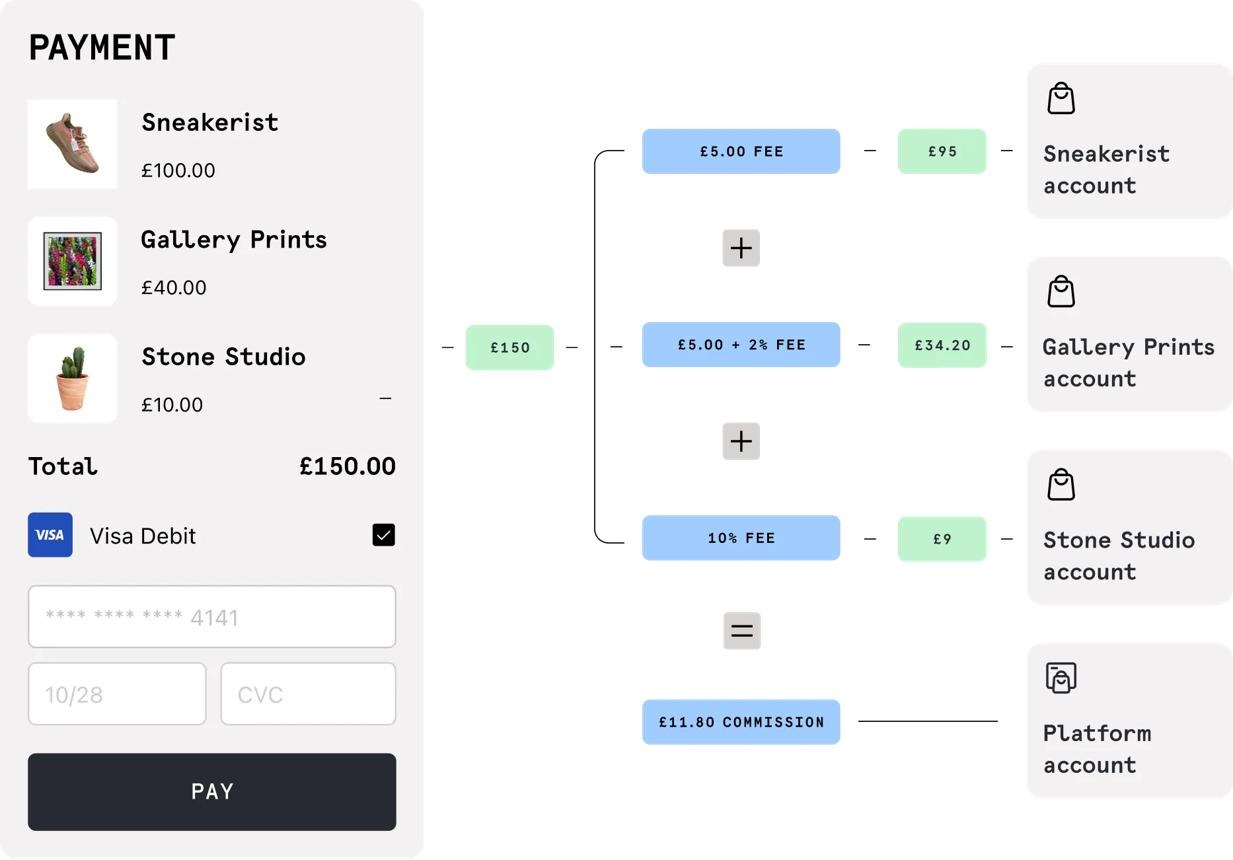
A multi-seller marketplace must account for money flowing between buyers, sellers, payment providers, and the platform.
Depending on the launch market and provider, support may include:
You may charge sellers a percentage or fixed fee on eligible transactions. Other possible fees include listing fees, optional subscriptions, or paid promotional placements.
Define how fees apply to discounts, shipping charges, taxes, refunds, and cancellations. Make the rules clear to sellers before they begin selling.
Important: Marketplace payment processing and split payouts are not supported in every country or by every provider. Confirm availability and compliance requirements for your target market before choosing your payment architecture.

Many handmade marketplaces rely on sellers to prepare and ship their own products. Your platform should make this process clear and manageable.
Include:
Each order should have clear statuses, such as:
|
Status
|
Meaning
|
| --- | --- |
|
Placed
|
Customer submitted the order
|
|
Confirmed
|
Order is accepted under the marketplace workflow
|
|
Processing
|
Seller is preparing the product
|
|
Shipped
|
Seller has dispatched the order
|
|
Delivered
|
Delivery is confirmed, where tracking supports it
|
|
Cancelled
|
Order was cancelled under applicable rules
|
|
Refunded
|
A refund was processed or recorded
|
For orders containing items from multiple sellers, consider creating separate seller fulfillment records while maintaining one customer-facing order summary.
Create clear workflows for:
The marketplace should explain which cases are handled by sellers and which can be escalated to platform support.
The admin dashboard helps you manage marketplace quality, seller activity, transactions, and customer issues.
|
Admin feature
|
Purpose
|
| --- | --- |
|
Seller management
|
Review applications and manage seller accounts
|
|
Listing moderation
|
Review reported or potentially prohibited products
|
|
Order monitoring
|
Track orders, cancellations, and fulfillment issues
|
|
Payment records
|
Review fees, refunds, and payout status
|
|
Customer support
|
Manage complaints and escalations
|
|
Reviews and messaging
|
Handle reports of abuse, spam, or suspicious activity
|
|
Promotions
|
Configure coupons and featured collections
|
|
Analytics
|
Monitor sales, listings, and marketplace activity
|
A creator marketplace needs clear policies about product eligibility, intellectual property, authenticity, and prohibited listings. Moderation workflows should help apply those policies consistently.
Building a marketplace involves more than launching a shopping app. You need to attract sellers, create a useful catalog, manage transactions, and build trust between buyers and creators.
Your first version should make it possible for creators to list products and for customers to complete purchases.
0 of 12 selected
Select all
Buyer registration and customer profiles
Seller registration and shop profiles
Product listings with photos and descriptions
Product variations and customization options
Search, categories, and basic filters
Shopping cart and checkout
Payment integration and fee records
Seller order management
Shipping and order status updates
Basic buyer-seller messaging
Admin dashboard and listing moderation
Cancellation, refund, and dispute workflows
Advanced recommendation systems, seller subscriptions, mobile apps for every user role, and complex international shipping tools can be added as the marketplace grows.
The cost depends on your marketplace model, number of user experiences, payment requirements, seller tools, and level of customization.
The following are illustrative planning ranges, not verified industry averages or a development quote.
|
Development scope
|
Illustrative budget
|
| --- | --- |
|
Basic niche marketplace MVP
|
$15,000–$40,000
|
|
Mid-level marketplace with advanced seller tools
|
$40,000–$100,000
|
|
Advanced marketplace with complex integrations and workflows
|
$100,000–$250,000+
|
Actual costs can vary considerably. These figures are for planning and may not include ongoing hosting, payment processing, marketing, moderation, customer support, or other operating expenses.
A practical approach: Start with one product niche and a manageable seller network. Validate that sellers can list products and customers can complete orders before investing in advanced features.
The timeline depends on how many features you include and how complex your marketplace operations are.
|
Project stage
|
Example planning range
|
| --- | --- |
|
Discovery and requirements
|
1–3 weeks
|
|
UI/UX design
|
2–5 weeks
|
|
MVP development
|
8–16 weeks
|
|
Testing and launch preparation
|
2–5 weeks
|
These stages may overlap. They are planning estimates, not guaranteed delivery times. Payment-provider onboarding, seller verification, and complex integrations may also affect the launch schedule.
Different development approaches can support different marketplace needs.
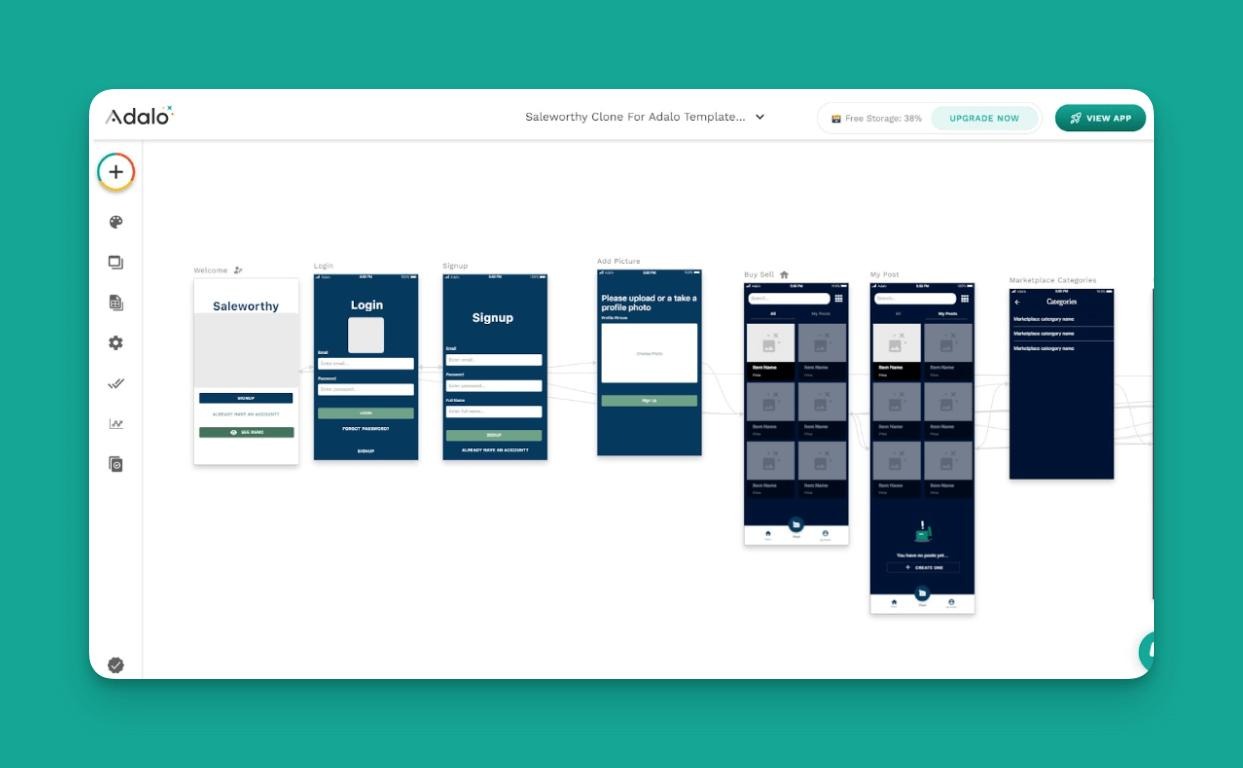
No-code development
Can help validate a marketplace concept with standard listings, accounts, and shopping workflows. Confirm that the platform supports your payment and seller-management requirements.
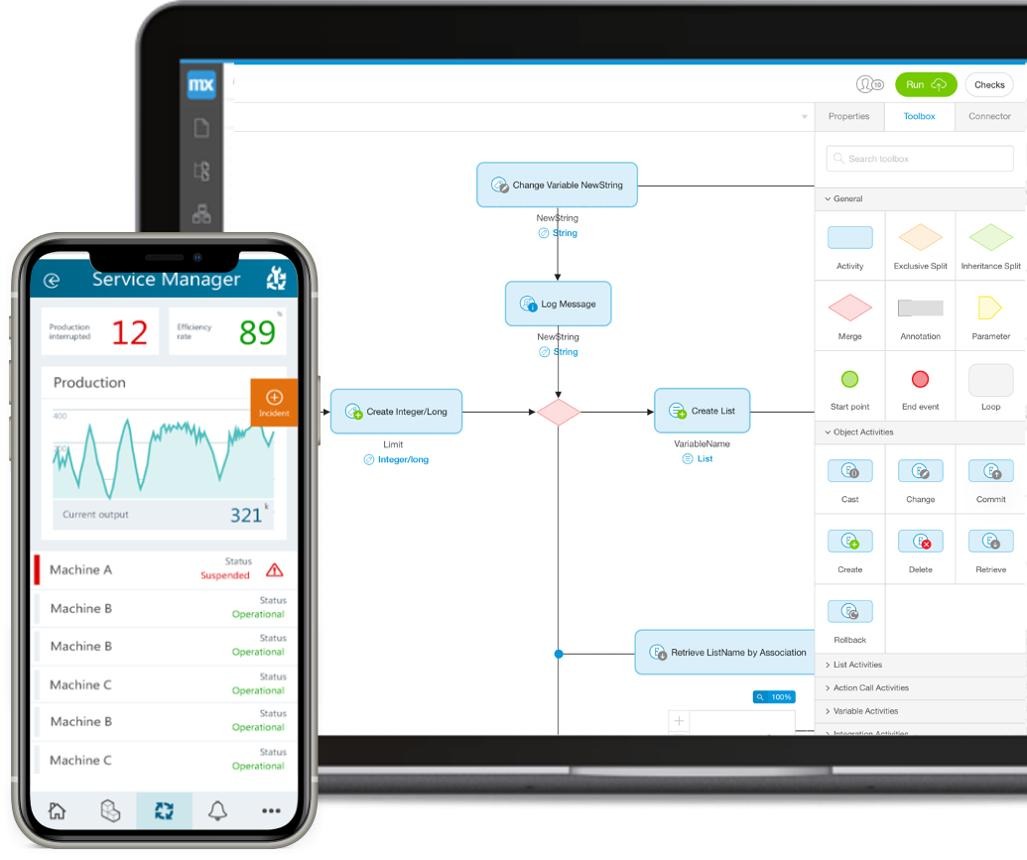
Low-code development
Combines visual tools with custom code for tailored workflows and integrations. It may suit a marketplace that needs flexibility while keeping development manageable.
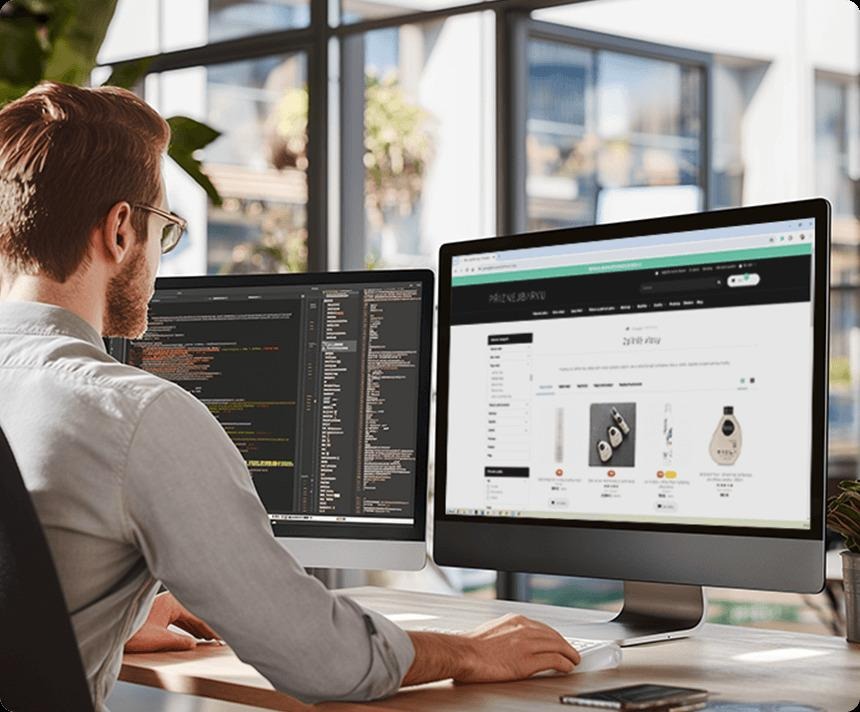
Custom development
Provides more control over complex payment flows, specialized product features, marketplace rules, and scaling. It generally requires more engineering effort and ongoing maintenance.
You can also use a hybrid approach: build your core marketplace workflows while relying on established services for payments, shipping, email, and other infrastructure.
A niche marketplace can generate revenue in several ways.
|
Revenue model
|
How it works
|
| --- | --- |
|
Transaction commission
|
Charge a fee or percentage on eligible sales
|
|
Listing fees
|
Charge sellers to publish or renew eligible listings
|
|
Seller subscriptions
|
Offer paid plans with additional shop tools or benefits
|
|
Promoted listings
|
Sell clearly labeled promotional placements
|
|
Payment-related fees
|
Apply disclosed fees where permitted and supported
|
|
Optional services
|
Offer additional seller tools, analytics, or business services
|
For a new marketplace, avoid making the fee structure too complicated. Sellers should understand what they pay, when they pay, and what services they receive.
A marketplace needs enough relevant products to give customers a reason to visit. At the same time, creators need a reason to invest time in setting up a shop.
A focused marketplace gives sellers a clearer idea of who their customers are. For example, a platform dedicated to handmade ceramics can build its catalog and discovery experience around that category.
Provide an easy registration process, listing templates, image guidance, and clear explanations of fees and policies.
Help sellers explain their craft, display product collections, and share information about their process.
Offer practical tools for inventory, processing times, shipping updates, and customer communication.
Explain listing requirements, payment handling, dispute processes, and seller responsibilities.
Use relevant content, creator stories, product collections, and search-friendly category pages to help customers discover the marketplace.
A broad marketplace may struggle to explain why buyers and sellers should use it.
What to do instead: Start with a defined product category and a specific customer need.
Advanced recommendations, complex memberships, and multiple apps can increase cost before the business model is proven.
What to do instead: Build the essential buyer and seller workflows first.
If sellers struggle to create listings, update stock, or fulfill orders, the marketplace can lose product quality and consistency.
What to do instead: Test seller workflows with real creators before launch.
Missing dimensions, unclear customization details, and poor photos make it harder for buyers to make informed decisions.
What to do instead: Provide structured listing fields and clear product requirements.
A single customer order may involve several sellers, shipments, processing times, and refund situations.
What to do instead: Define how the system handles seller-level fulfillment and the customer’s overall order.
Unexpected fees can create confusion for sellers and customers.
What to do instead: Display applicable fees clearly and explain how commissions and payouts are calculated.
Marketplaces need ways to handle misleading listings, prohibited items, fake reviews, and disputes.
What to do instead: Establish marketplace policies and build reporting and moderation tools into the product.
Creating a marketplace for independent creators requires a thoughtful balance between the buyer experience and the seller tools behind it.
InceptMVP helps businesses plan and develop digital products, including marketplace platforms. Your roadmap should reflect your product niche, seller requirements, transaction model, and launch goals.
Whether you are building a handmade gift marketplace, an art platform, or a community for independent creators, start with a practical MVP that supports real listings and real transactions.
Map your buyer journey, seller onboarding, product catalog, and MVP requirements before development begins.
Explore InceptMVP marketplace development
A basic niche marketplace may have an illustrative development budget of $15,000–$40,000. More advanced platforms with seller tools, payment integrations, and complex workflows can cost significantly more. Actual pricing depends on project scope.
A focused MVP may take a few months to design, develop, test, and prepare for launch. Complex payment, shipping, and seller-management features can extend the timeline.
Core features include seller registration, shop profiles, product listings, search, product variations, checkout, payments, order management, shipping updates, customer support, and an admin dashboard.
No-code and low-code tools can support many marketplace workflows. Whether they are suitable depends on your payment setup, seller tools, integrations, and customization requirements.
Depending on the payment provider and business model, a marketplace may collect customer payments, deduct applicable fees, and arrange seller payouts. Availability and requirements vary by country and provider.
Common revenue streams include transaction commissions, listing fees, seller subscriptions, promoted listings, and optional seller services.
Not necessarily. A responsive seller dashboard can be enough for an MVP. A dedicated seller app may be useful later if creators need frequent order updates, notifications, or mobile listing management.
Start with a focused niche, make onboarding simple, offer useful shop tools, explain fees clearly, and help creators reach relevant buyers.
Let sellers define available customization options, collect buyer instructions during checkout, and show the selected details clearly in the order record.
Choose your niche and validate it with potential buyers and sellers. Then define your marketplace rules, business model, and essential MVP features.