
.png)
AI has reshaped how websites and web applications are built, tested, deployed, and optimized. In 2026, powerful generative models, autonomous coding agents, and intelligent design engines let developers move faster, build cleaner, and ship production-grade software with less repetitive work.
Below is the most comprehensive list of AI web development tools you should consider in 2026, structured for full-stack teams, solo builders, agencies, and enterprises alike.
Replit remains the top choice for AI-driven web development tools in 2026 thanks to its integrated cloud IDE with autonomous AI agents that help generate, test, refactor, and deploy full-stack applications entirely in the browser. Its Ghostwriter and Agent 3 environments support multi-file reasoning, real browser testing, and seamless Figma-to-code workflows.
Key strengths:
This makes Replit ideal for both full stack developers and no-code / low-code builders who want AI assistance without hopping between tools.
ChatGPT remains one of the most versatile AI aids for web development. Its code generation, debugging, and documentation capabilities help with JavaScript, HTML, CSS, backend APIs, and more. It can interpret entire codebases, explain logic, and generate production-ready documentation.
Use cases:
ChatGPT is now deeply integrated into IDE plugins and workflows, making it a daily driver for developers of all skill levels.
A successor to the original Copilot, Copilot X brings conversational interfaces, automated pull requests, and deep codebase understanding to developers. It runs natively inside IDEs like VS Code and JetBrains, helping with refactors, tests, and documentation creation.
Why it matters:
Copilot X is especially powerful for teams looking to scale developer productivity with AI integration.
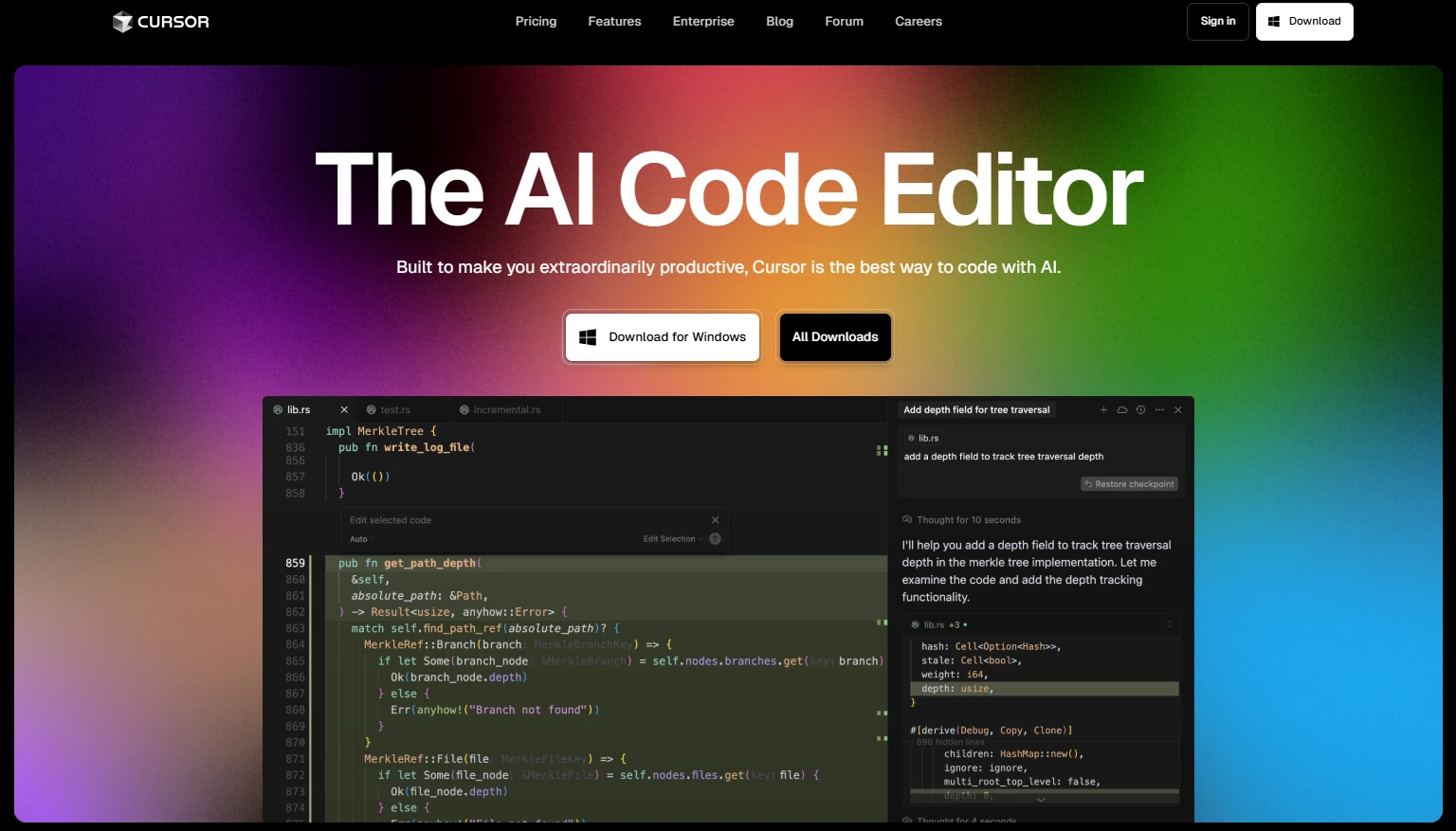
Cursor has emerged as a favorite for developers who want deeper AI integration directly inside a powerful code editor. It blends natural language prompts with context-aware code generation, refactoring, and debugging.
Best suited for:
Cursor’s model awareness makes it a strong choice for professional engineers.
Google Antigravity is an emerging AI-powered IDE that serves as a platform for autonomous coding agents and advanced AI reasoning around code. It integrates models like Gemini 3 Pro to let developers delegate complex programming tasks.
Highlights:
It’s ideal for developers working on large or complex codebases who want AI assistance baked into the development experience.
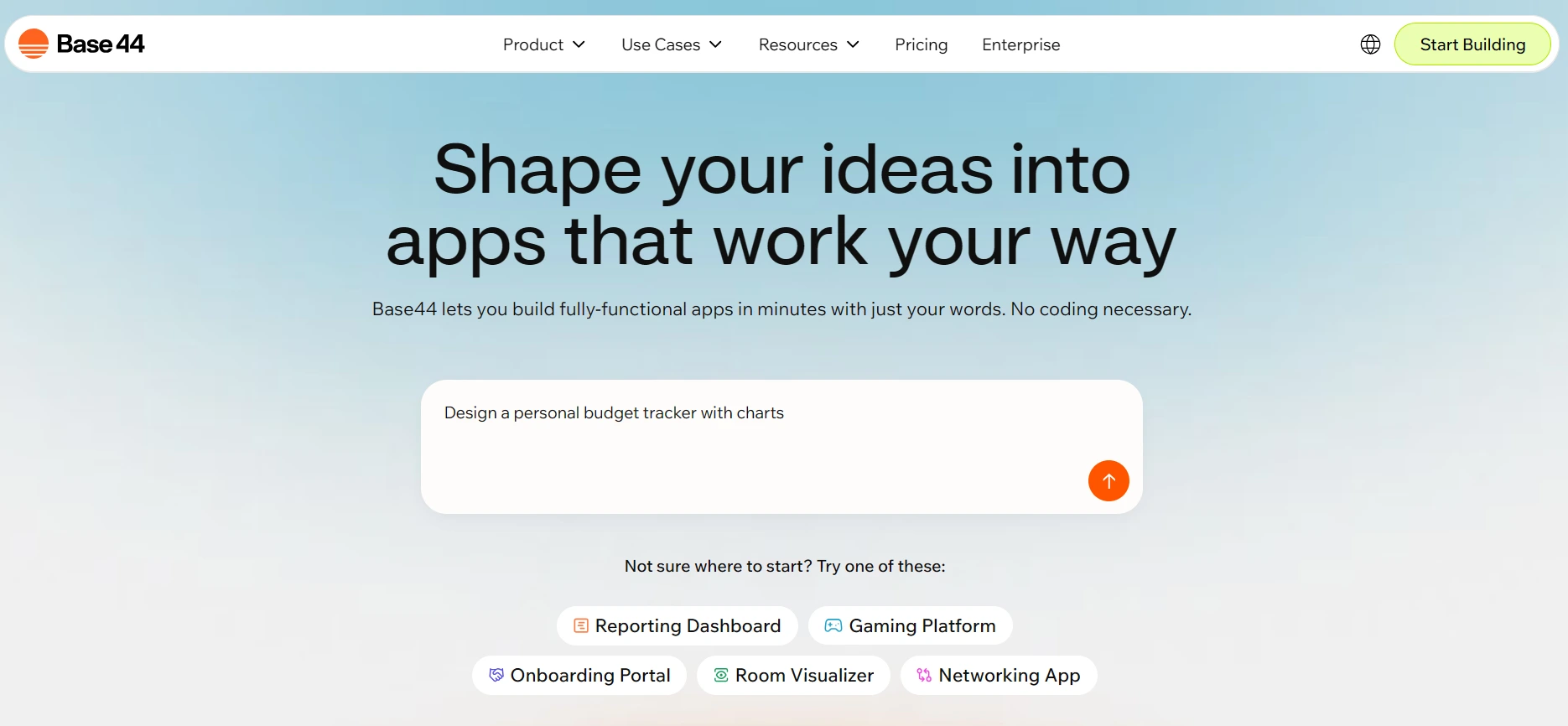
These platforms focus on text-to-website/web app generation from natural language prompts. Div-idy pioneered the concept of vibe coding that outputs production-ready HTML, CSS, and JavaScript from plain English.
Base44, acquired by Wix, pushes conversational AI into everyday site creation workflows, blending no-code ease with AI prompts.
These are great for designers, entrepreneurs, and builders needing rapid prototypes or marketing site generation.
Uizard streamlines UI/UX design by converting sketches or flows into code-ready responsive layouts, while Relume automates wireframes, sitemaps, and component design from text prompts.
Benefits:
These tools are especially effective for product teams and freelancers.

TeleportHQ provides collaborative visual design plus clean, production-ready HTML/CSS/JS export, making it suitable for teams that want real prototypes quickly without losing developer control.
Ideal for:
Tools like Tabnine focus on predictive code autocompletion and deep integration IDEs, learning your coding style to deliver personalized suggestions.
These assistants are perfect for:
AI tools that automate test generation and validation significantly cut down QA cycles. These include generation of unit tests, CI pipelines, and test reporting automation, letting teams push with confidence.
In 2026, the strongest web development setups combine multiple tools:
This layered approach yields both speed and quality.
AI tools for web development in 2026 have matured beyond simple helpers. They now create full environments where:
Replit sits at the top because it covers the full spectrum of AI web development capabilities, from ideation to deployment, without fragmenting your workflow.
Which AI tool is best for web development?
The best AI web development tools in 2026 include Replit, Webflow AI, GitHub Copilot, and Vercel AI, depending on your workflow and project needs.
What is the future of AI in 2026?
In 2026, AI will automate coding, testing, deployment, and optimization, enabling faster product launches with fewer developers.
What is the best AI website builder for 2025?
Webflow AI, Wix ADI, and Framer AI are among the best AI website builders in 2025 for design flexibility and performance.
What is the future of web development with AI?
AI-driven web development will focus on rapid prototyping, intelligent automation, and no-code/low-code tools powering scalable products.
Is Replit good for web development in 2026?
Yes, Replit is one of the best AI-powered web development tools in 2026 for building, testing, and deploying full-stack applications quickly.
.webp)
Learn how to validate ideas, focus on one core workflow, attract early users, and iterate fast without wasting months on unnecessary features.
Read MoreBuild a functional Lovable MVP in 7 days using focused strategy, ruthless feature cuts, and real validation. Launch faster and get actual paying users.
Read More.webp)
Discover why Replit is the fastest way to build, test, and deploy real software in 2026 while maintaining full code ownership and scalability.
Read More


.avif)
