


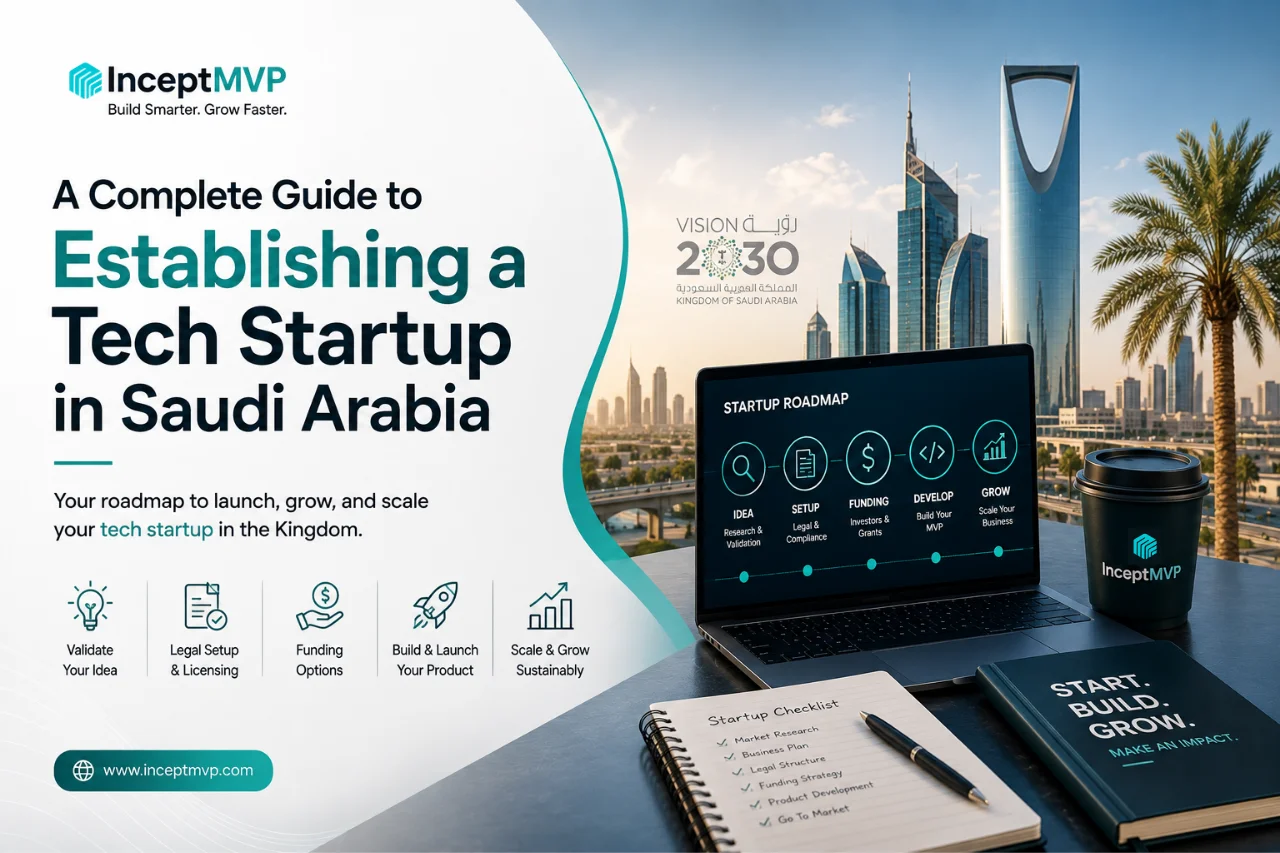
Launching a startup is an exhilarating journey filled with possibilities, challenges, and the promise of innovation. It begins with a spark of inspiration, a vision to create something impactful, and the determination to turn that idea into a thriving business.
Whether you're a seasoned entrepreneur or embarking on your first startup venture, understanding the foundational steps is crucial for success.
Before diving into developing your startup, conducting thorough market research is paramount. Market research involves analyzing industry trends, understanding consumer behaviour, assessing competitive landscapes, and identifying market gaps or opportunities.
This data-driven approach provides valuable insights that shape your business strategy, product development, marketing efforts, and overall decision-making process.
Market research helps you:
By investing time and resources in comprehensive market research, you can make informed decisions, minimize risks, and increase the likelihood of your startup's success.
Successful startups are built on solving real-world problems or addressing unmet needs in the market. The process of identifying a problem involves keen observation, empathy, and a deep understanding of your target audience.
By listening to customer feedback, conducting surveys, and observing market trends, you can pinpoint pain points and challenges that your startup can effectively address.
Once you've identified a problem, the next step is to develop a solution. This solution should be innovative, user-centric, and offer tangible benefits or value propositions to your target customers.
Whether you're creating a product or service, focus on delivering a solution that solves the problem efficiently, differentiates your startup from competitors, and resonates with your audience.
Before starting your search, clearly define your project requirements. Are you building a mobile app, a web application, or a complex software solution? Understanding your scope, technology needs, budget, and timeline will help you find the right partner.
Look for companies that have relevant experience and a good reputation. For no-code solutions, InceptMVP offers extensive expertise in building efficient and scalable applications without traditional coding.
Assess the technical skills and industry experience of the shortlisted companies. InceptMVP specializes in no-code platforms, enabling rapid development and deployment of applications.
Effective communication is crucial. Ensure that the company you choose is responsive and uses modern communication tools.
Understand the company's development methodologies. InceptMVP follows agile practices, ensuring iterative development and regular feedback loops.
Post-development support is crucial for ongoing success. InceptMVP offers comprehensive maintenance and support services, ensuring your no-code applications remain up-to-date and functional.
Interview shortlisted companies and check references. Ask detailed questions about their experience with no-code platforms and how they handle project challenges. InceptMVP’s satisfied clients can attest to our reliability and effectiveness.
Choose a company that aligns with your vision and business goals. InceptMVP’s expertise in no-code development, combined with our commitment to quality and client satisfaction, makes us an ideal partner for startups looking to bring their ideas to life quickly and efficiently.
Launching a tech startup involves crucial decisions, especially when it comes to choosing the right technology for development. At InceptMVP, we specialize in no-code technologies like Bubble and FlutterFlow, which are perfect for startups looking to develop web and mobile applications quickly and efficiently.
No-code platforms like Bubble and FlutterFlow empower startups to build robust applications without traditional coding. These technologies reduce development time, lower costs, and allow for easy iterations based on user feedback.
Mobile apps have revolutionized the way businesses connect with their audience. For startups, mobile app development offers a myriad of benefits:

Building a Minimum Viable Product (MVP) is a strategic approach for startups to validate their ideas and gather feedback from early adopters. Here's how startups can leverage MVP development:

Securing funding is a critical step in launching and scaling a startup. Here are common funding options for startups:
Startups should evaluate their funding needs, growth plans, and investor requirements to choose the right funding source.
Effective marketing and promotion are essential for startup success. Here are key strategies for marketing and promoting your startup:
Scaling a startup involves expanding operations, increasing revenue, and entering new markets. Here are strategies for scaling and growing your startup:
Launching and scaling a startup comes with challenges that entrepreneurs must navigate effectively. Here are common challenges and strategies to overcome them:
Launching a successful startup is a multifaceted endeavour that requires a combination of strategic planning, innovative thinking, and unwavering dedication.
By following the steps outlined in this guide, you'll be well on your way to turning your startup idea into a thriving reality. Remember, the entrepreneurial journey is not without its ups and downs, but with the right mindset and approach, you can navigate the path to success.
If you're ready to take the next step in launching your startup idea, please schedule a consultation with our team of experienced startup advisors.
We can help you refine your business plan, identify the right software development solutions, and connect you with valuable resources to secure funding and accelerate your growth. Click here to contact us today. https://www.inceptmvp.com/contact-us
The first step is identifying a clear problem and building a solution that solves real market needs. A strong idea should be backed by demand, research, and a defined target audience.
Market research helps validate your idea, understand customer needs, analyze competitors, and reduce business risks before investing heavily in development or marketing.
Startups identify problems by studying user behavior, analyzing industry trends, collecting feedback, and spotting gaps where existing solutions fail to deliver value.
Choose a company based on experience, technical expertise, portfolio quality, communication process, agile workflow, and post-launch support services.
No-code platforms enable faster development, lower costs, and quick product validation, making them ideal for startups that need to launch and iterate quickly.
An MVP is a simplified version of a product built with core features only. It helps validate market demand, gather user feedback, and reduce development risks.
Startups can raise funds through bootstrapping, angel investors, venture capital, crowdfunding, grants, accelerator programs, or bank loans depending on their stage and needs.
Scaling requires strong infrastructure, a skilled team, market expansion, product diversification, strategic partnerships, and effective financial management.



.svg)
.svg)


.avif)
